Anamorphic Calculator

Anamorfake It Until You Make It!

Anamorphic on a Budget

Anamorphic

Is it a Bird? A Plane? No - Just Superman’s Really Big Feet.

July 23, 2025
How the choice of lenses made Superman and his peers’ boots look three sizes too big.

What started as a routine Reddit scroll for my colleague Ariana took an unexpected turn. It wasn’t another post about the crisis in the VFX industry or an AI meme - it was about Superman, the latest DC blockbuster that hit Canadian theatres on July 11, 2025. Here’s the original post we’re digging into.

With Nandan Mylavarapu, my co-founder at Final Version 2, just a chair-roll away, we quickly found ourselves diving into the visual oddities in the trailer and what might have caused them.

Disclaimer: Before we dive into this topic, please note that this isn’t a how-to or fix-it post; instead, it speculates on possibilities based on the experience gathered from extensive filming with a wide range of lenses, specifically anamorphic lenses.

So, what’s going on?

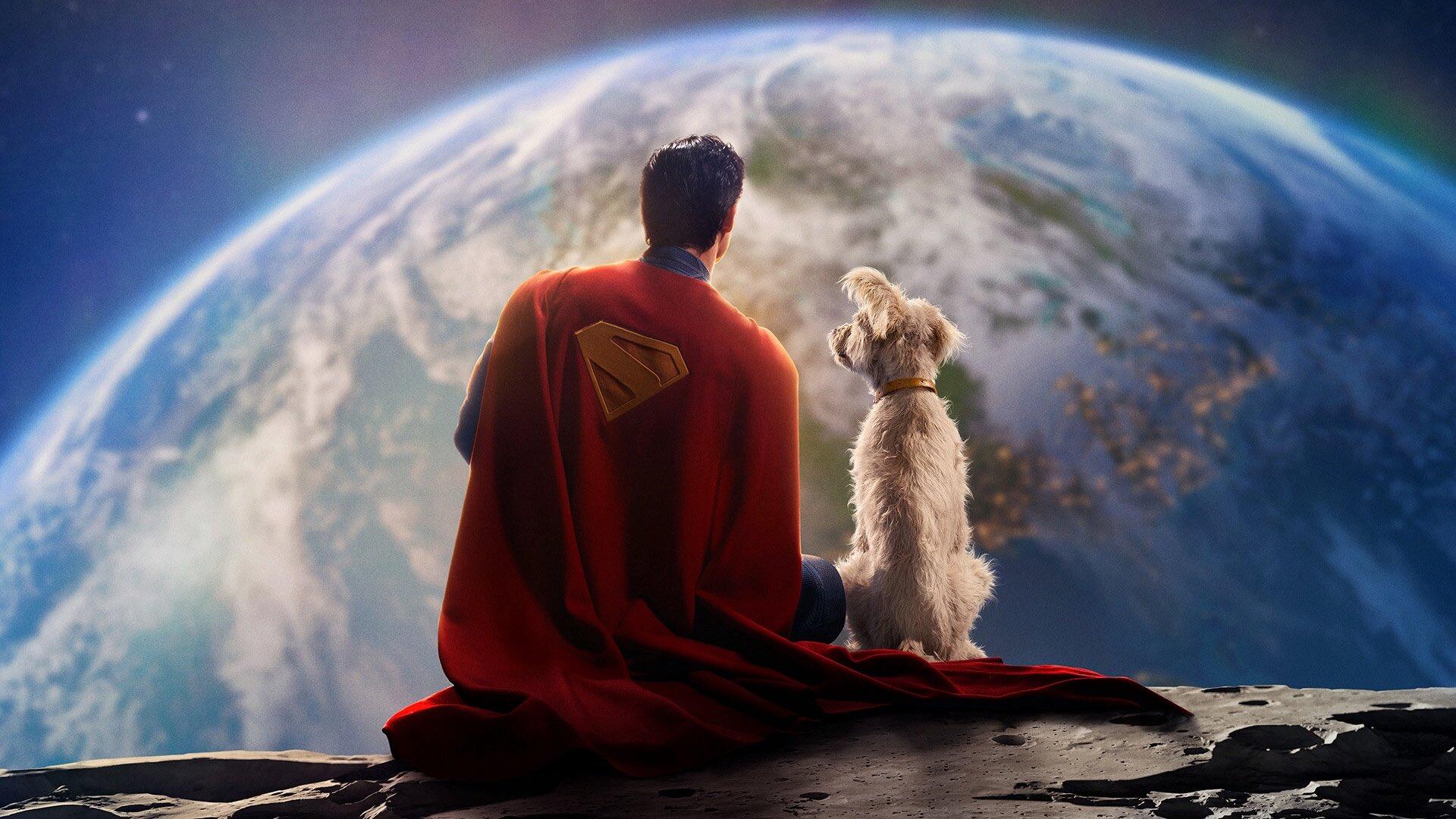
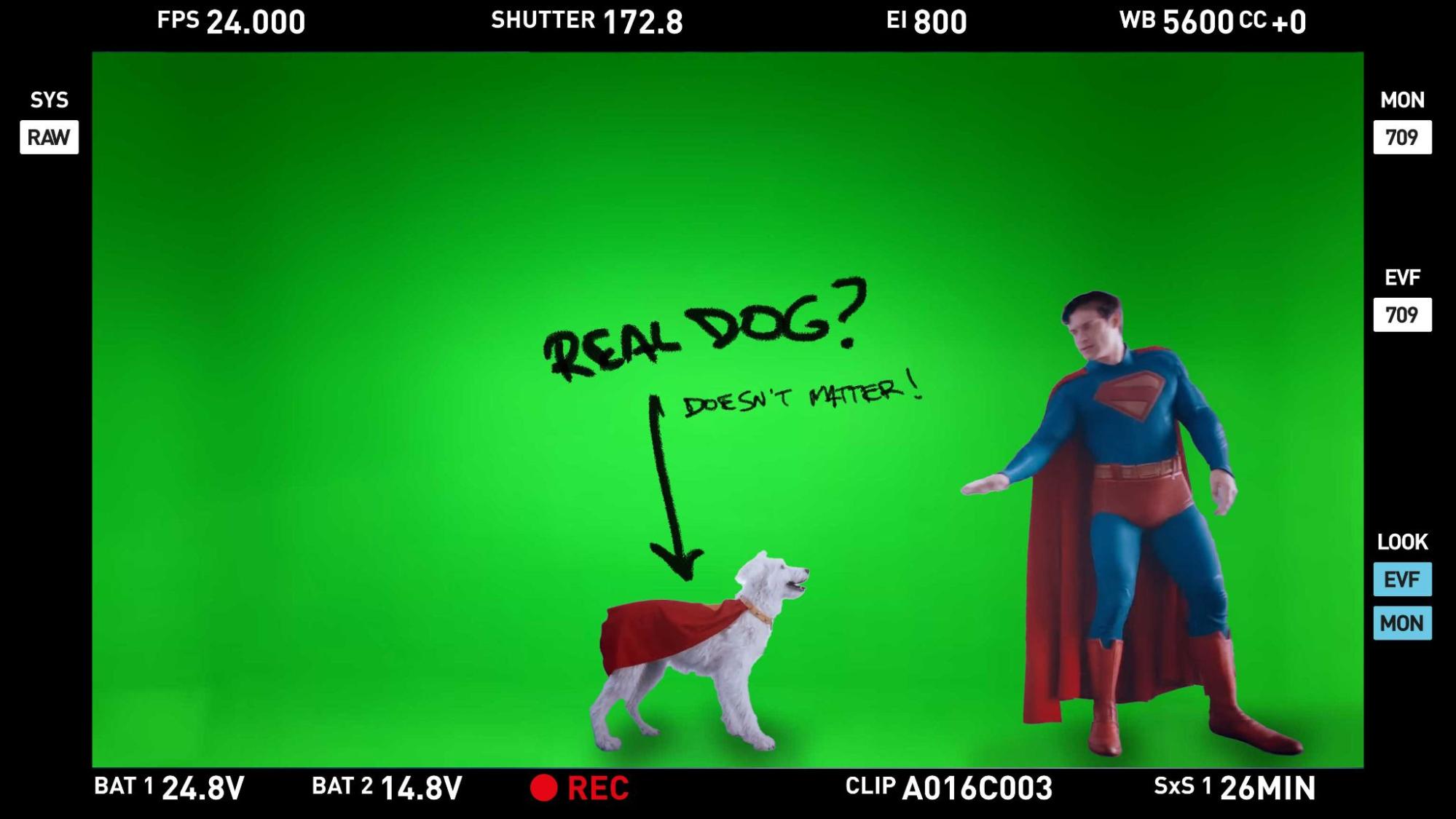
The Superman clip posted on Rotten Tomatoes’ YouTube channel featured a shot where Superman’s feet appeared stretched and elongated.
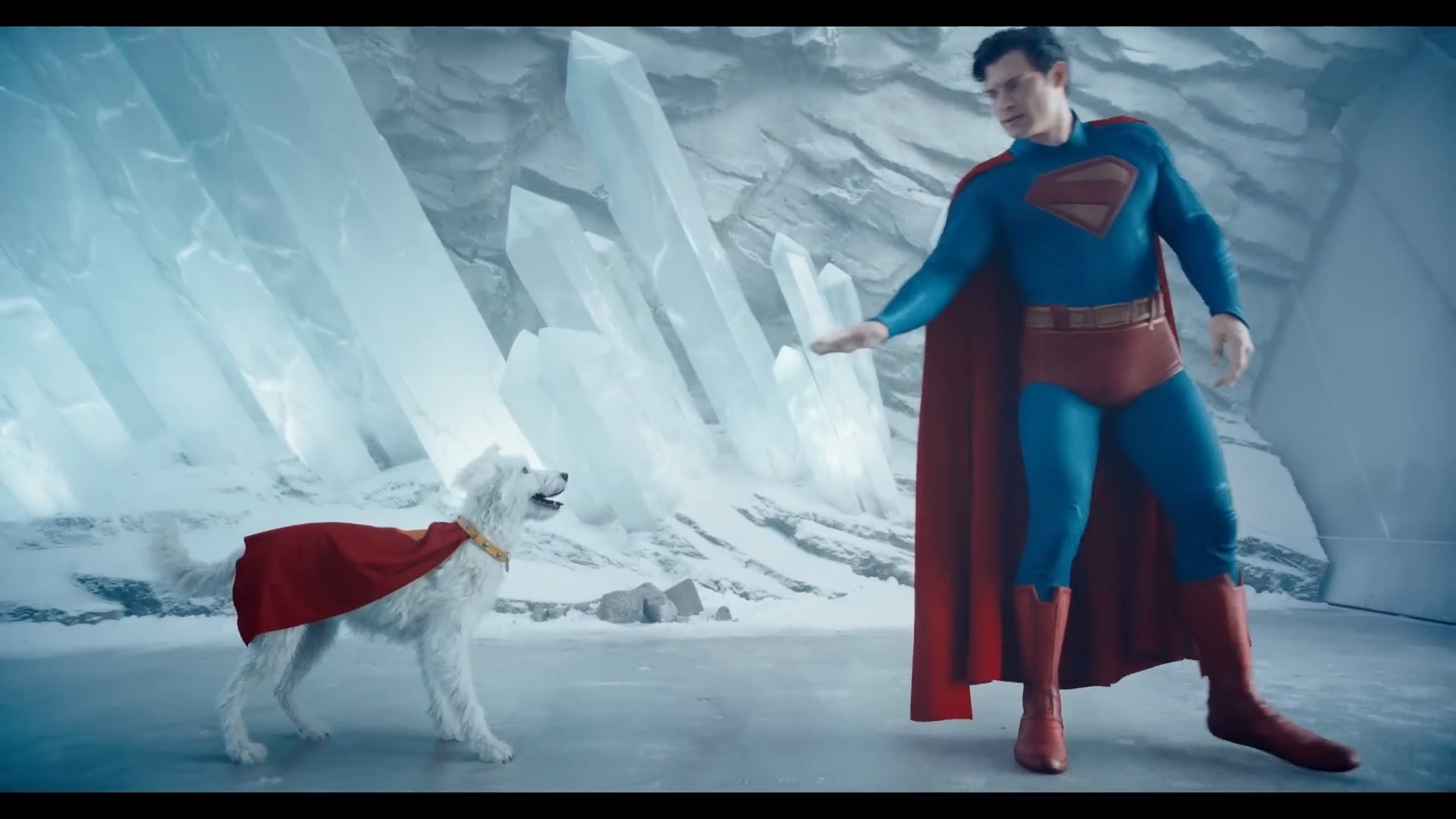
Here’s the second moment in the trailer where a journalist (bottom-left corner of the frame) appears to have oversized feet as well. It’s more subtle than Superman’s shot, but still off enough to raise a question: is this an isolated visual quirk, or a side effect of something deeper?
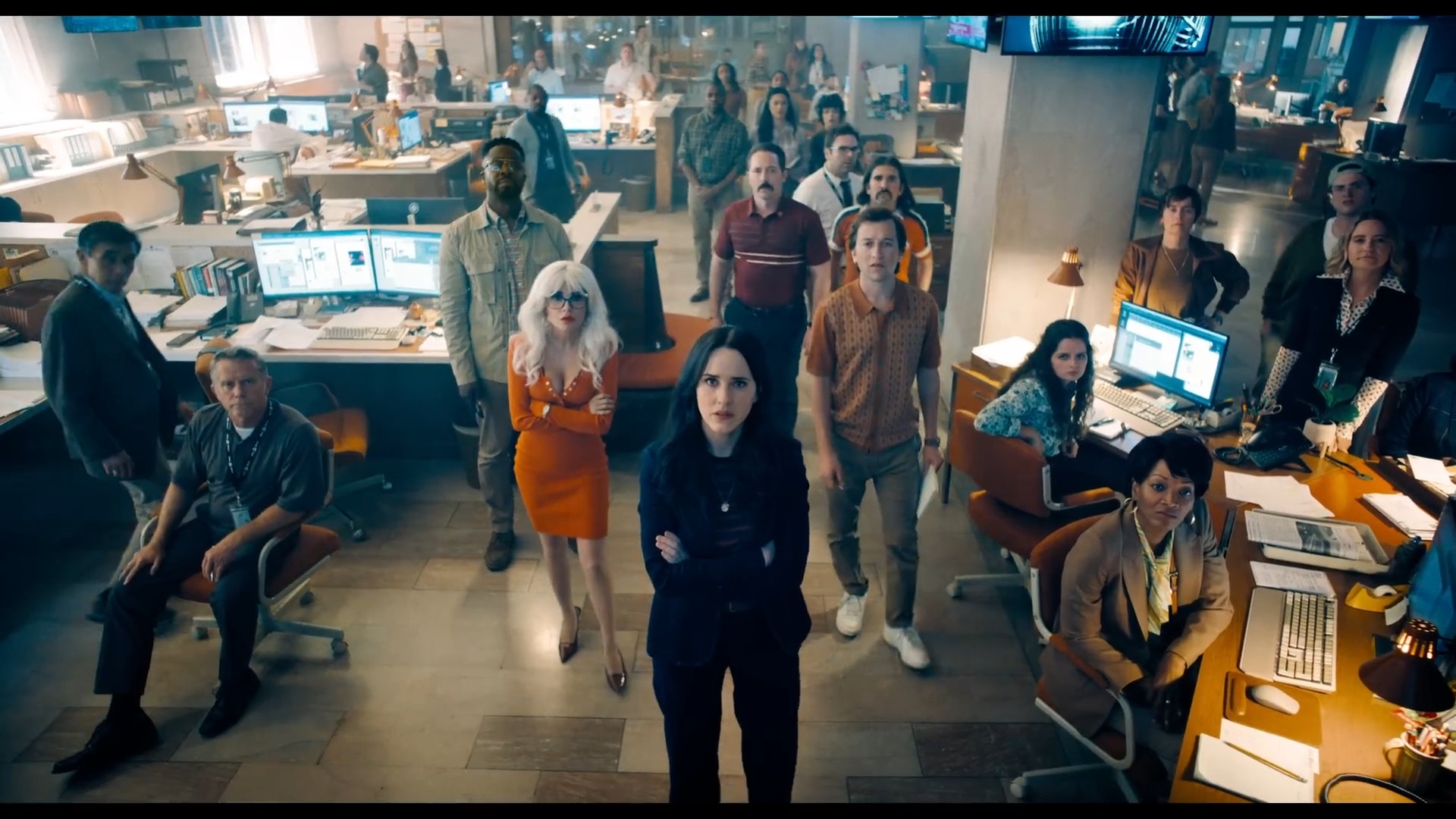
Even though this is not a “Starbucks cup in the shot” situation, it did catch the attention of a few film enthusiasts and creatives. After watching the movie, there are only a handful of shots with such distortion, which go unnoticed in the grand scheme of things. However, a curious mind would want to dig into this, and so I did.

What makes the edges of a frame look “stretched”?

Working in post-production, lens distortion is often the first guess - and for good reason. But what else could cause this kind of visual warping?

We considered three possibilities:

  1. Lens distortion - a common lens trait, especially with specific focal lengths or anamorphic lenses.
  2. Forced perspective - a classic in-camera technique used to manipulate scale.
  3. A post-production error - particularly during the lens distortion workflow.
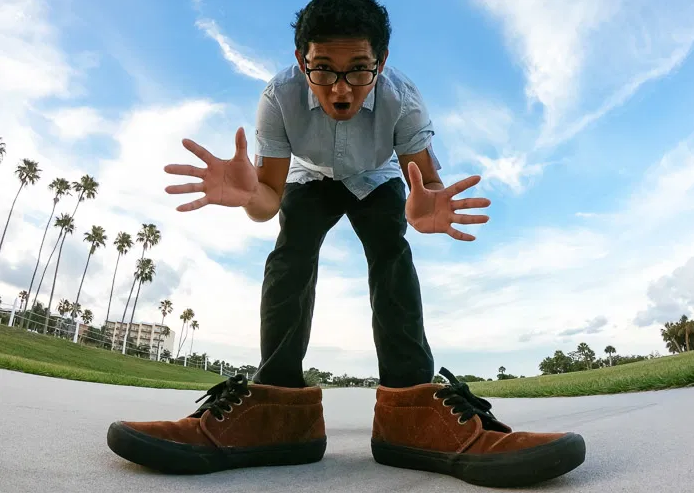
Example of forced perspective. Image by Chad Versoza

After a bit of digging, we can comfortably rule out the last two. Forced perspective isn’t at play here, and I would be genuinely surprised if anyone argued otherwise. And while post-production mishaps do happen, there’s little evidence to suggest that’s the case in this instance.

That leaves us with lens distortion - the most probable and practical explanation.

Now, while most of us in post are familiar with how distortion affects our shots, diving into why it happens is a different story. That’s a rabbit hole I’ve spent years going down.

Understanding the nature of lenses

If we want Superman’s unusually large foot to make any visual sense, we must be familiar with a little bit of lens distortion, the concept of reframing and a little bit of anamorphics.

Lens distortion

When looking through lenses, distortion starts neutral at the very center of the image circle and gets intense as we approach the edges of the image, a behaviour most of us are familiar with. This happens because the light rays hitting the outer perimeter of a lens are bending much more intensely to try and keep the image together (not exactly, but good enough for this example).

Distortion is directly related to the focal length, and wide-angle focal lengths are known for displaying pronounced results. The image below from Virtual Reality Photography showcases extreme wide-angle lenses, which usually feature the “fisheye” look.
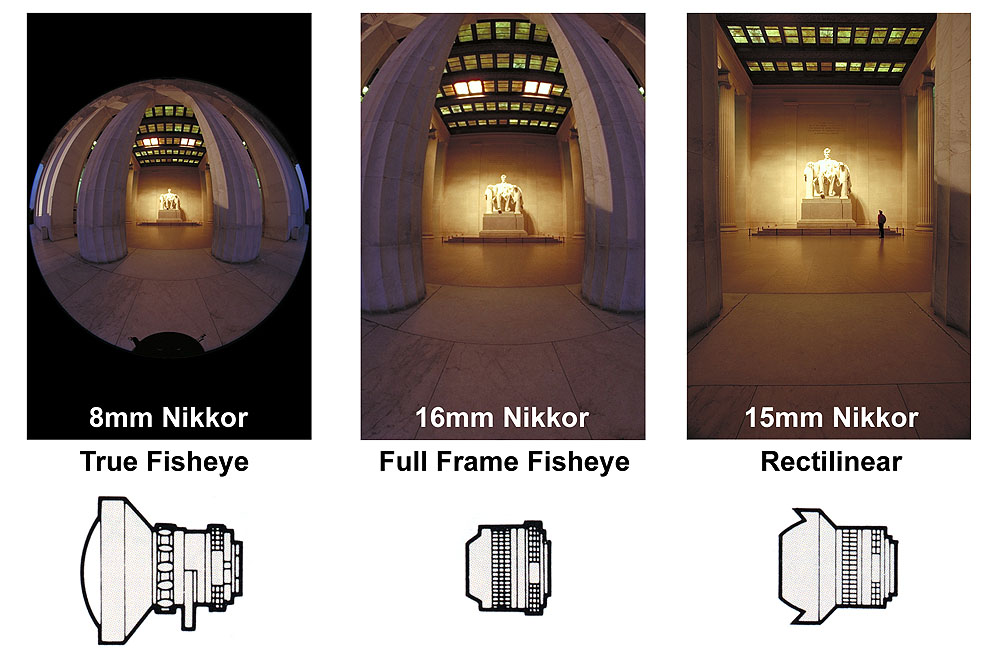
A True Fisheye lens gives you a circular image which does not cover the entire camera frame. You will notice black outside of the image. These typically deliver a 180° field of view and distort straight lines to show up as extreme curves.

Full-frame Fisheye or full-sensor fisheye covers the entire camera sensor, so no more black corners like in True Fisheye. The image created by the lens is larger than the sensor area, also leaving out the most extreme distortion.

Rectilinear lenses feature an optical design that forces the perspective lines to remain straight, while still delivering a super wide field of view. Do you see where this is going?

I went on a side quest for information about the lenses used in Gunn’s Superman and found the following: the IMDB page lists Panavision Primo 70 for the large format sensor, plus Leitz lenses; in particular Leitz’s Tri-Elmar-M 16-18-21 f/4 ASPH (ASPH = Aspherical lens). This Tri-Elmar is a lens with three very wide focal lengths which the cinematographer can toggle between.

With a couple of rectilinear wide-angle lenses lying around the office, Nandan and I took advantage of a sunny day in Vancouver and headed out for a walk to capture some test shots - eager to see if we could put our theory into practice.
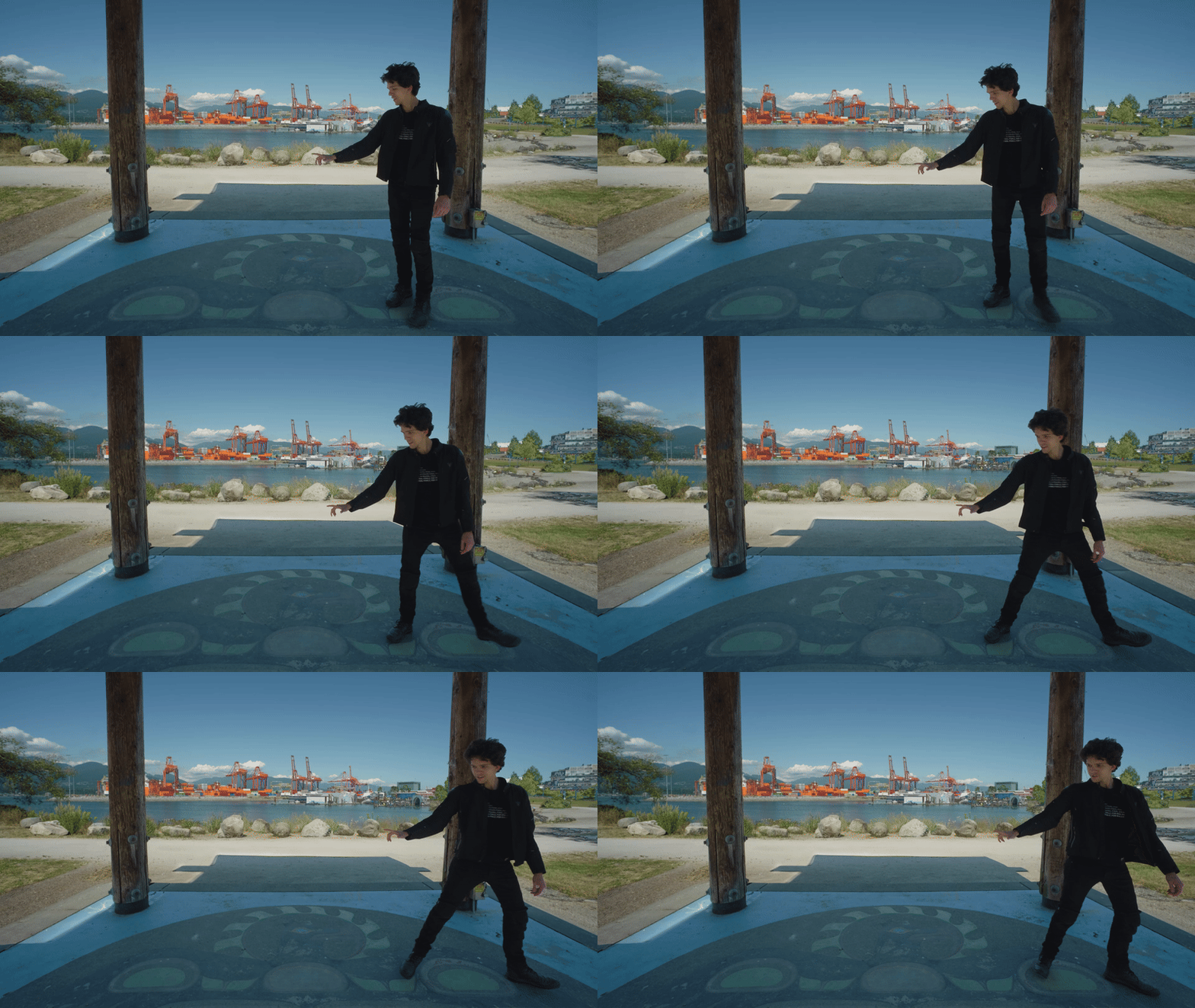
Shot using a 15mm rectilinear lens

With these test images, we can notice how distortion is uniform on all four corners of the image. So, if a rectilinear wide-angle lens were used in Superman, we should expect to see similar warping in every corner of the image, right? Except… what you leave outside of the frame is just as important as what is inside the frame. That is to say that reframing through cropping in post-production is a common practice.

Reframing

To illustrate the concept of reframing through cropping, the following is a simulation of what the camera could be seeing on set, with strong distortion on all four corners.
In the edit, the team might have decided to crop out the top and left side portions of the frame to create a more balanced composition, or to eliminate an element that detracted from the shot. The potential reasons are endless.
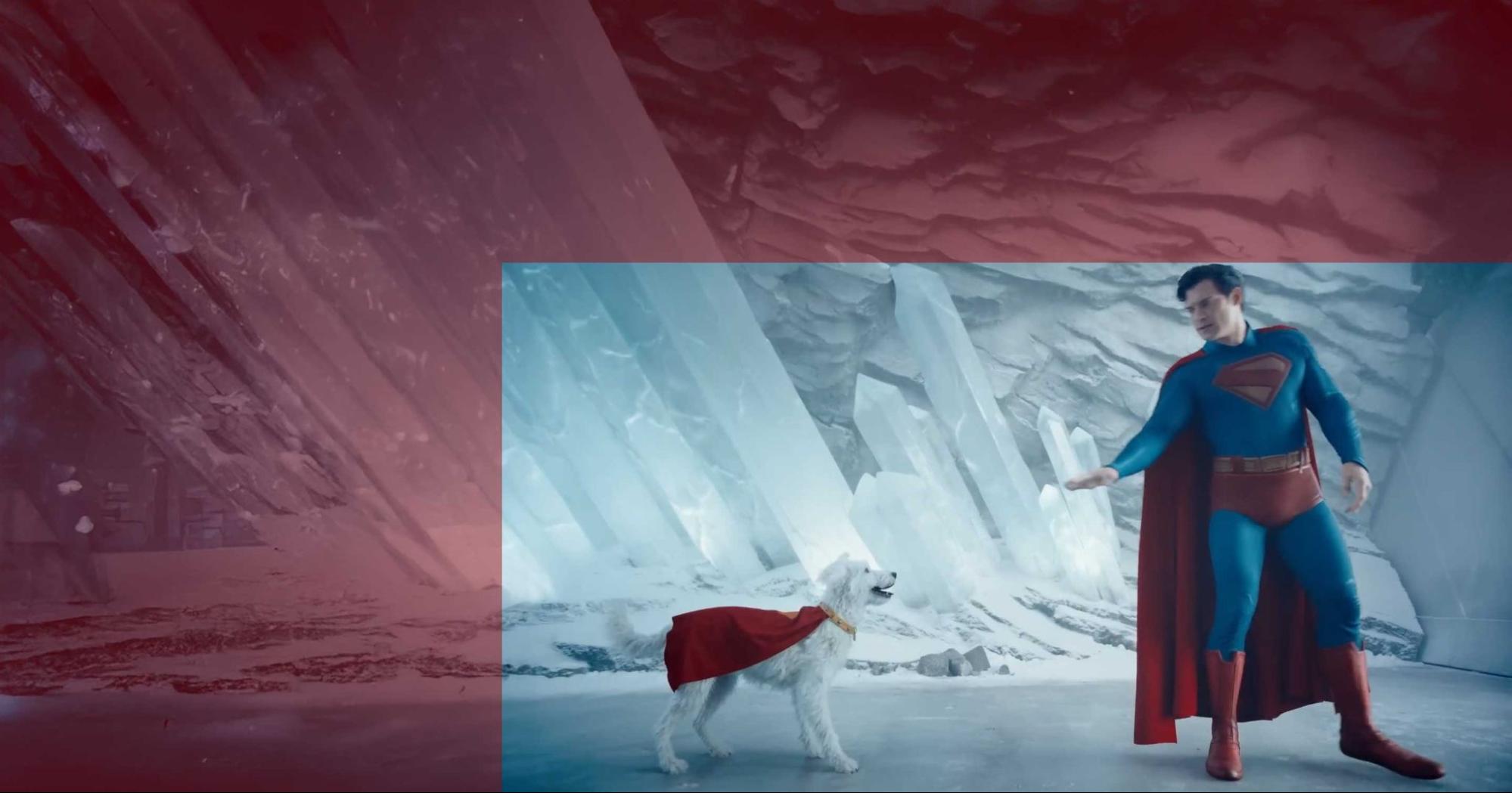
This leaves us with full distortion on the bottom right corner, yet no exaggerated distortion on the other three corners. This theory can also explain the other shot with giant shoes, as they could have reframed it to center Rachel Brosnahan’s character.

Anamorphics (?)

We have solid answers for how the giant shoes came to be. But, again, in the Reddit thread, lots of people chalked the answer up to anamorphic lenses. The question of whether anamorphic lenses were used is valid; after all, anamorphic lenses have a reputation for their unique look, artifacts, and funky distortion - and are historically hard to work with in a VFX workflow. To give you an example, here is a distortion chart using a 40mm 2x anamorphic lens on a full-frame camera, like the camera used in Superman. To make things easier to interpret, the image is de-squeezed from the camera output.
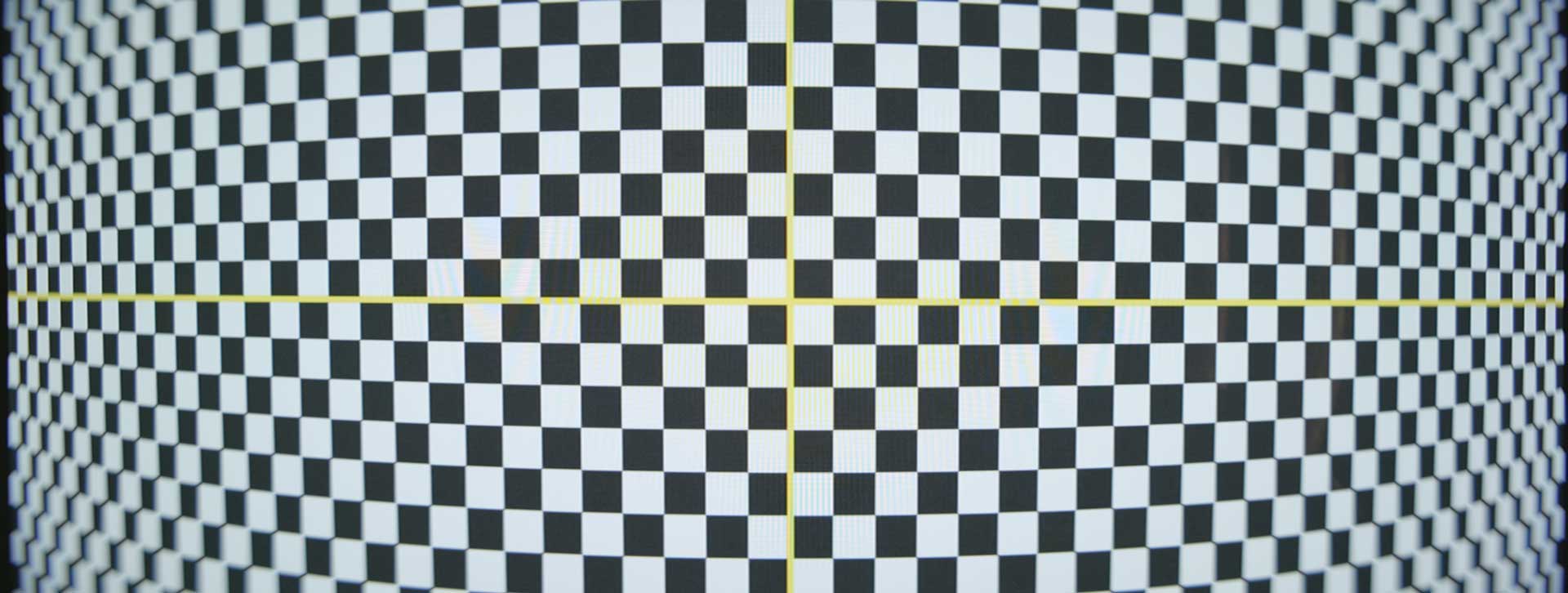
We can clearly see that the center appears to be a “normal” checkerboard, but as we move towards the edges, the image seems to bend backward. That is an easy example of strong anamorphic distortion. The way to counter this kind of overcompression is to overextend the sides of the frame, which could also lead to Superman’s giant foot! But the IMDB gear list suggests anamorphic lenses were not used to film, putting this theory to rest. It was NOT anamorphic distortion this time!

And now we know

The use of rectilinear lenses and reframing is the answer to the unusual distortion on the edges of the inspected frames from Superman.

There is a lot that goes behind making a film, and I say this with both production and post in mind. Superman’s foot distortion is a byproduct of a combination of things related to the lens and choices made by the cinematographer, director, and editor.

This post is not to raise a “blunder” flag - it’s about exploring lens mechanics and understanding how they influence the images we see on screen. I hope this topic sparked some new curiosity or insight on your end - it certainly did on mine.

Anamorphic

Why Do I Want Soviet Glass?

February 16, 2023

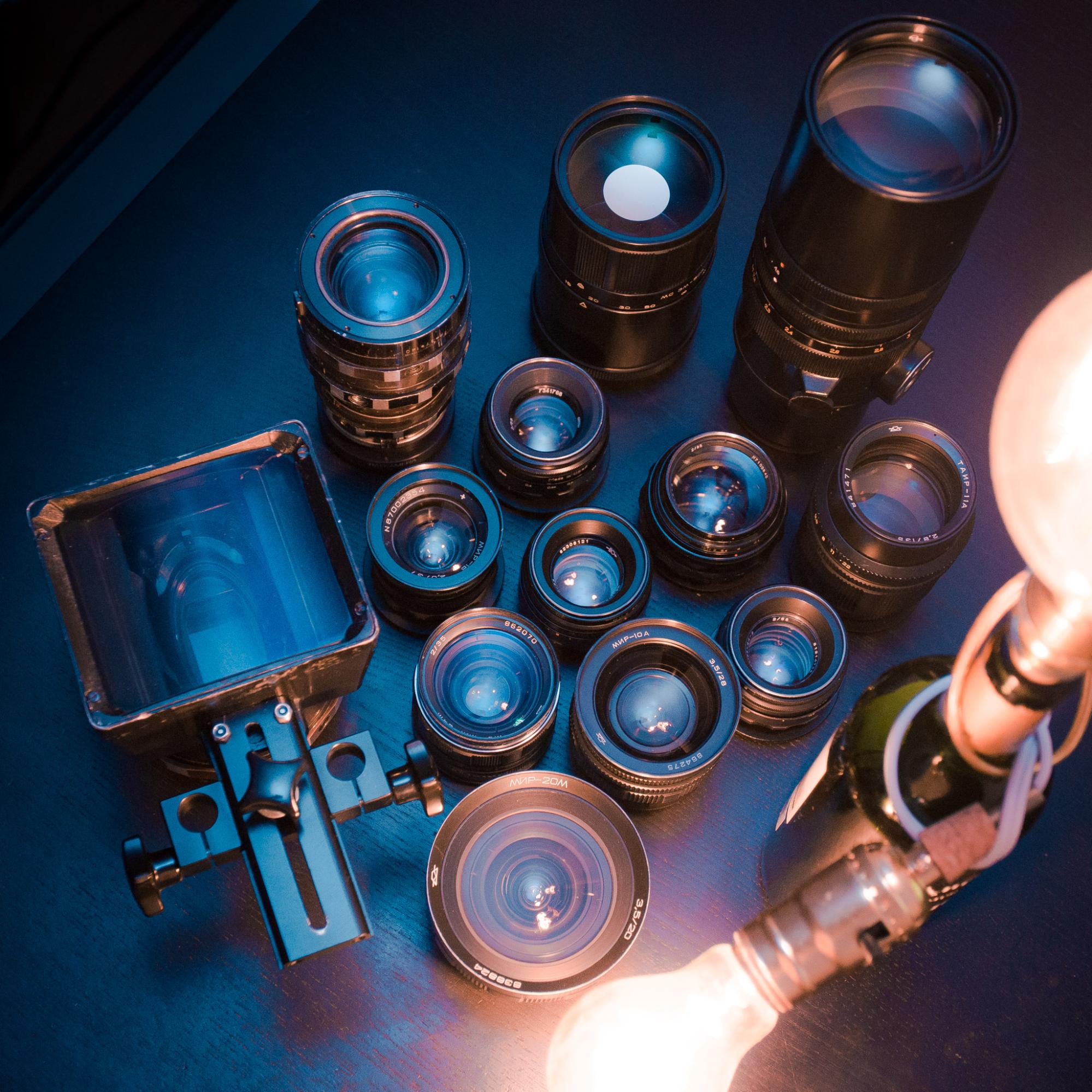
We can all agree vintage lenses have something special about them. Be it the fact that they’re no longer made, or what age has done to the glass, or how optics were calculated back in the day, either way the results are unique. The train has left the station! Big-time cinematographers choose exquisite and unorthodox optics for their Hollywood projects - Greig Fraser in The Batman, or Zack Snyder’s Army of the Dead. Rehousing companies drain the market of rare lenses and drive the prices up by revamping the simplistic mechanics these lenses originally featured, compared to the sturdiness and standards required to survive a film set.

A lot has been said about Canon FD, Leica R, Nikon AI, and so on… But outside of these more popular options, one lens stands above them all: the Helios 44. Besides being the #1 recommended vintage lens for folks starting out in the all-manual world, the Helios 44 doesn’t belong to any of the more popular and established brands.

Lens barrel engraved “Lens made in USSR”

The Helios 44 is a Soviet lens, and I could almost say most people end their exploration of Soviet optics right there. And that’s a big loss. The Soviets were a massive technological hub back in the day, competing head-to-head with the US, and developed several award-winning optical designs and lenses. How do they remain so cheap to this day, when every other brand of vintage glass has shot up in price?

Soviet lenses have a very strong personality. You can easily tell that from the Helios 44. And unlike a lot of other brands, where you can adapt the lens to your style, I’d say here you have to adapt your style to the lenses. It sounds like a bad thing at first, but then, dealing with limitations is one of the best ways to push your creativity and inspire new ideas, isn’t it?

Result from a modified Helios 44-2

THE LOOK

If you have a quarrel with the latest and greatest top-performing autofocus lenses in the market, if you find Zeiss optics too sharp, or Samyang too clean, or even Canon L series a little boring, then you probably already started going down the vintage lenses rabbit hole. What’s most appealing to me about Soviet glass is how you can get wildly different copies of the same lens - to this day, I still have three different Helios 44 that I use for different visual styles.

Lens whacking with a Helios 44

Being so affordable, they allow for great experimentation, where you can pick up several lenses for a couple hundred dollars, and find the ones you like the most. You can work out which ones pair together well. I’m a sucker for how easily they flare, and how the flares look. My ultimate set has matching blue coatings and gives the images a uniquely warm tone.

I’m a big fan of these flares!

Performance wide open is a very personal discussion, and while you can get pretty clean copies, there are lots of guides and info on how to avoid the lemons! Still, a lemon might be exactly what you want if you’re looking for some optical imperfection that no one can replicate in post!

HOW IT BEGAN

About ten years ago I got into vintage Soviet optics. It was an offshoot from my research with anamorphic lenses. Since then, I’ve had more than a hundred Helios 44 lenses and every other focal length coming from the Soviet Union.

This experimentation journey was incredibly nurturing for my understanding of vintage lenses and figuring out what worked for my style and what didn’t. I fell in love with the low contrast, easy flares, and versatility of the M42 mount. Sure, these lenses come in many other mounts, but M42 was my top pick because it can be easily adapted to EF and most of the time covers full frame cameras, as they were designed for 35mm film cameras.

The famous “early serial numbers”, or “the red P” lenses

In that process I worked out how to disassemble half a dozen of these lenses, including the most popular ones, such as the unavoidable Helios 44, alongside the Mir 1, and Jupiter 9. And, just like my anamorphic research, during my progress I learned that a lot of the information and stories about vintage Soviet lenses is scattered all over the place, hard to track down, and tucked away in long-forgotten forums. That was all the challenge I needed.

MAKING IT ACCESSIBLE

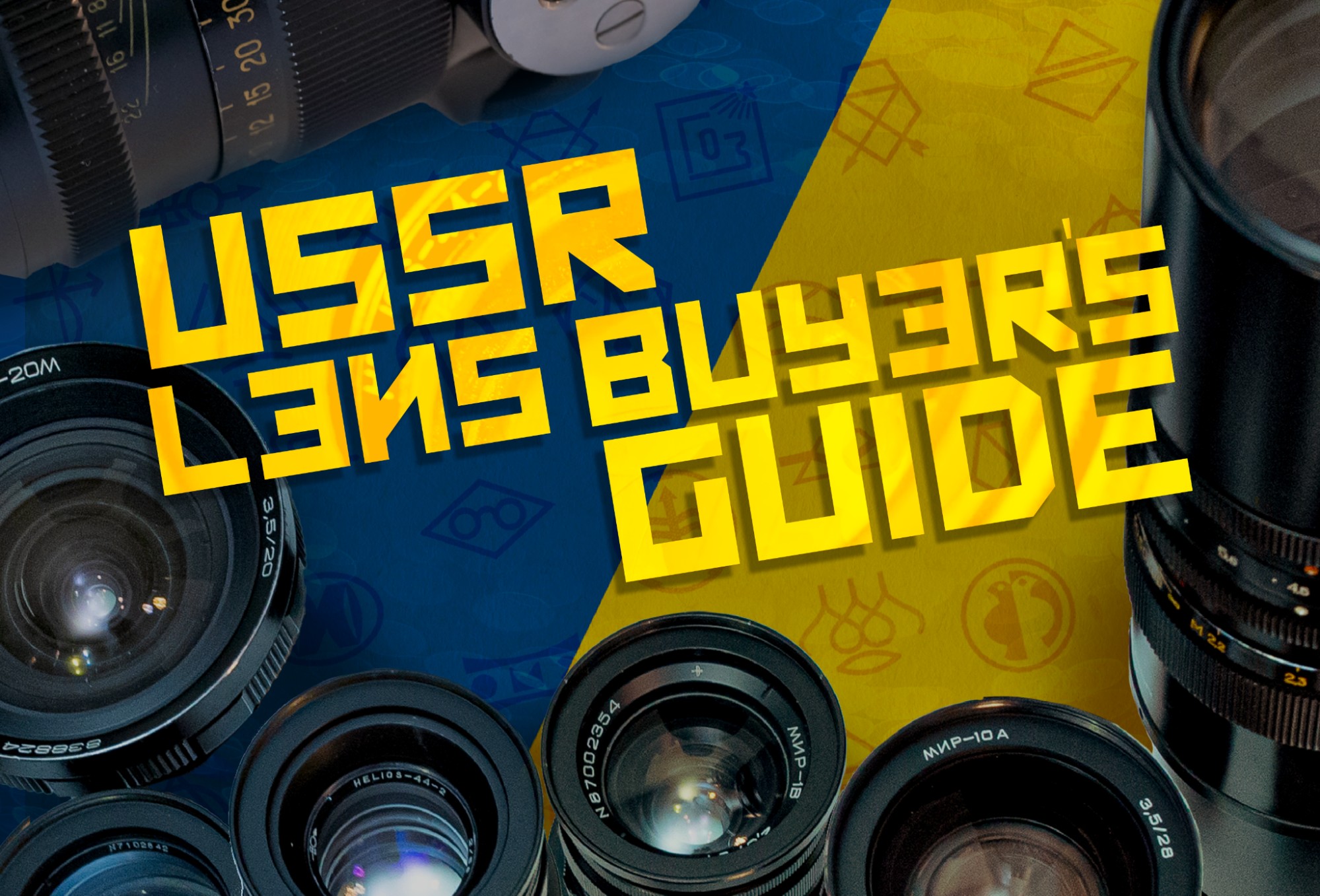
After collecting piles and piles of information to go with the piles and piles of lenses, I decided to compile all of that into an approachable - and affordable! - guide detailing good options, discussing some myths and hard-found truths about these lenses. Among the team of reviewers and sources I could count on Roman B. from the YouTube channel and eBay store RetroFotoHouse, as well as Ilya Volkov, Soviet lens master from Moscow Optical Workshop.

USSR Lens Buyer’s Guide cover

The guide focuses on M42 lenses as you can use them on almost any camera, and helps you identify the lenses you like and provides an easy way to acquire them. You will come to understand Soviet lens naming conventions, learn online myths about them, and read about extremely rare optics - such as the Mir 46, a 35mm f/1.4 for which only a few copies were ever produced!

If you want to check the first few pages, you can do that here, and you can get the full guide from my store!

Anamorphic

Anamorphics: What’s the Best Path Out There?

October 15, 2022

For the last seven years I have talked about anamorphic lenses and adapters on my YouTube channel. I had reviewed dozens of adapters until late 2019 when Sirui came out with their 50mm f/1.8 1.33x anamorphic lens.

Since then we’ve seen a flood of new anamorphic lenses from Sirui and other makers, which have worked hard to bring the anamorphic look to filmmakers working on a tight budget. If you’re not familiar with it, anamorphic lenses usually cost tens of thousands of dollars and we, little-budget folks, have always coveted the look they deliver.

If you’re getting into the game now, you’re doing it at what’s probably the best time in forever. There are plenty of options to choose from. You can start with adapters, which cost anywhere between $50 and $3500 and use your own spherical lenses behind them for a look that’s somewhat familiar, or you can get started with one of the many affordable anamorphic lens sets out there.

TAKE ME TO THE ADAPTERS!

While offering great versatility and more affordable prices (depending on your level of commitment), adapters also offer a number of challenges. In the video below I go into detail about many of these challenges. It’s important to clarify I’m not saying adapters are bad. They’re just not for me, as I go through many of them and never get to spend enough time setting one up properly.

A multitude of other enthusiasts love adapters though! They’ve picked up one that delivers the look they like and spent weeks, months, years, perfecting their systems. And there’s not really a formula here, as it becomes a very personal journey of exploration and refinement.

Working with an adapter rig requires you to develop a relationship with your equipment. You know its strengths - and you play to them - and you know its limitations - which you avoid as best you can. It also hits the note of using equipment that’s been around for decades and has been appreciated and revered as tools of a craft. You’re part collector, part lens tech, all patience, when building around an adapter.

Besides the personality of the adapter itself, you get to choose the spherical elements that go behind it. So if you already have a 50mm that you love, you get to see how that pairs up with your chosen adapter. This is a really fun adventure to partake in, but I warn you it takes time. Really. And by rushing it you’re simply missing the good parts.

This is not a carefully crafted evaluation, but I’d say most folks that like using adapters are not focused on making films, but on enjoying the gear and the experience of tinkering with it. The empowerment provided by such gear, the capability to go out and make a film, is a great bonus, but mostly they are solo filmmakers and lens testers. If you see yourself as such, adapters might be for you. Exceptions exist, of course, and I love seeing bigger productions filmed with adapters!

BUDGET ANAMORPHIC LENSES

A few months ago, a member of my channel asked the following: “when looking at Sirui, Great Joy, and Laowa side by side, who are each of these lenses for? And what are the attributes that would lead a user to choose one over the other?”

I thought this was well worded, so let’s discuss these offerings and how they might or might not be a good fit for you and your filmmaking style.

The following video covers the inception of low-budget anamorphic lenses and many of their personality traits. Below the video you’ll find a chart that organizes all of them in a way that you can easily compare them to one another and also includes some lenses not mentioned in the video.

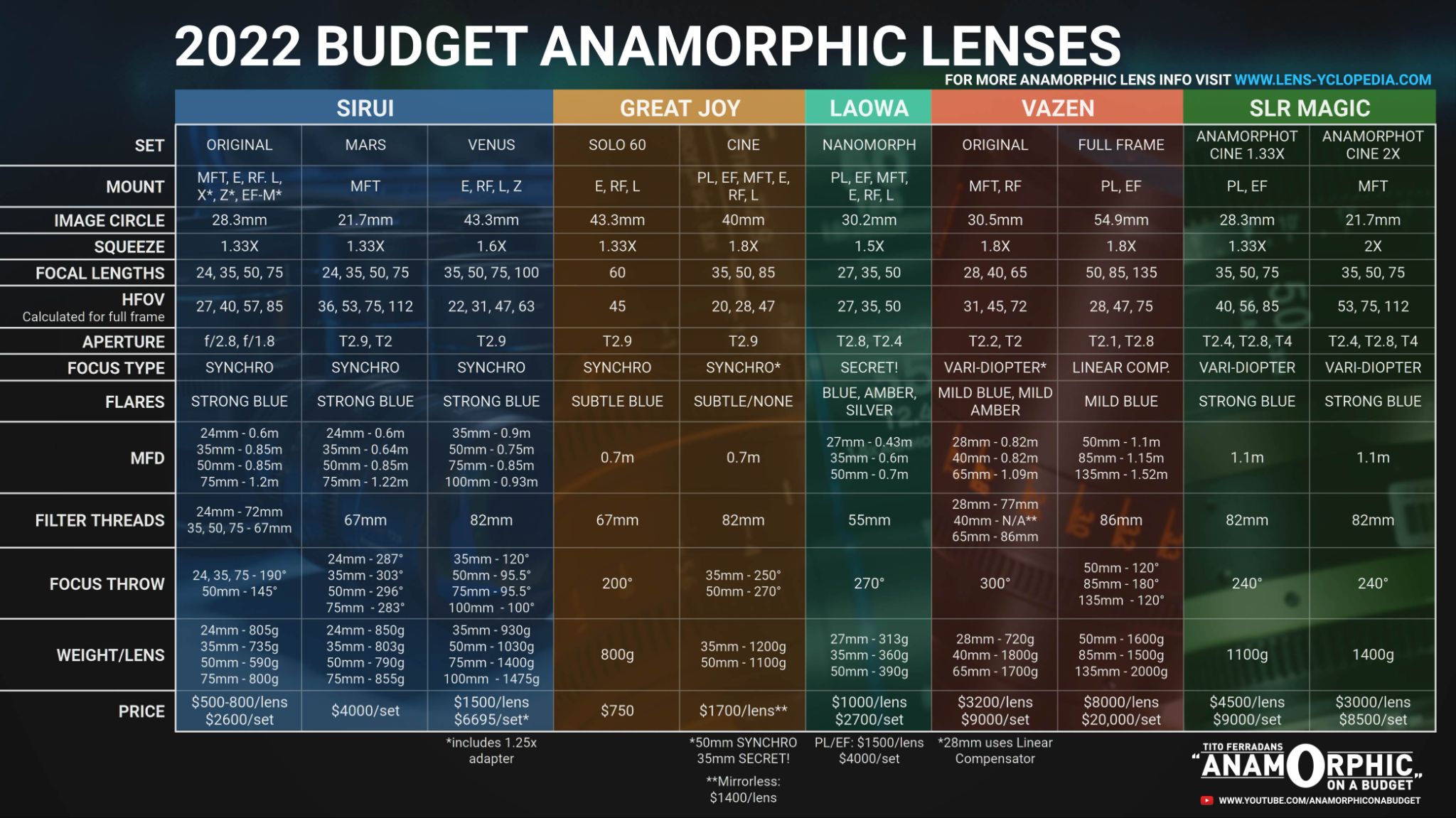
Chart comparing 2022 budget anamorphic lenses from Sirui, Great Joy, Laowa, Vazen and SLR Magic

SIRUI’S LENSES

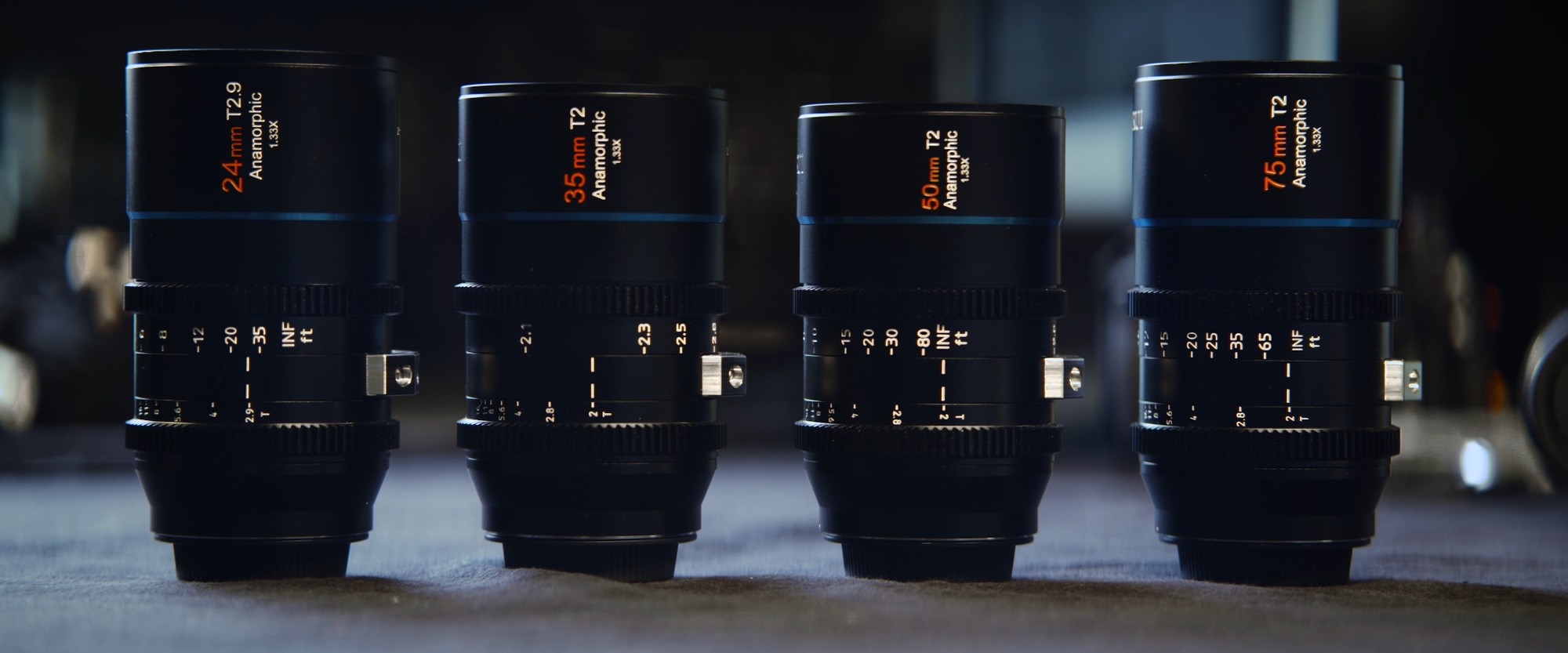
With Sirui’s first set, they started at 1.33x because it turns a 16:9 sensor into 2.37:1, which is almost CinemaScope. So why would you need more squeeze? They also leaned heavily on flares. Sirui’s MARS set is super simple and reliable to use on MFT cameras. They deliver a level of simplicity I really missed from all the time I spent with adapters.

Then Sirui noticed 1.33x and APS-C still left a lot of market open, which pushed them into full frame offerings. They stuck with mirrorless options because it keeps costs and sizes down. These lenses feel too sharp for me, even on full frame and wide open, and they lean away from what I want in a “cheap yet classic anamorphic lens”. Sirui is trying, but going slowly and cashing in as much as they can in the process with crowdfunding campaigns and staggered product releases.

Sirui’s Venus full frame set might be the last stop for a lot of folks. They’re super affordable, deliver sharp results, have good (yet not great) minimum focus, and feature pronounced flares - many people love it, even though many others are vocal against the streaks! I feel it’s a very versatile set and if you just need to get stuff done quick and easy, this might be the one for you.

GREAT JOY TO BE HERE!

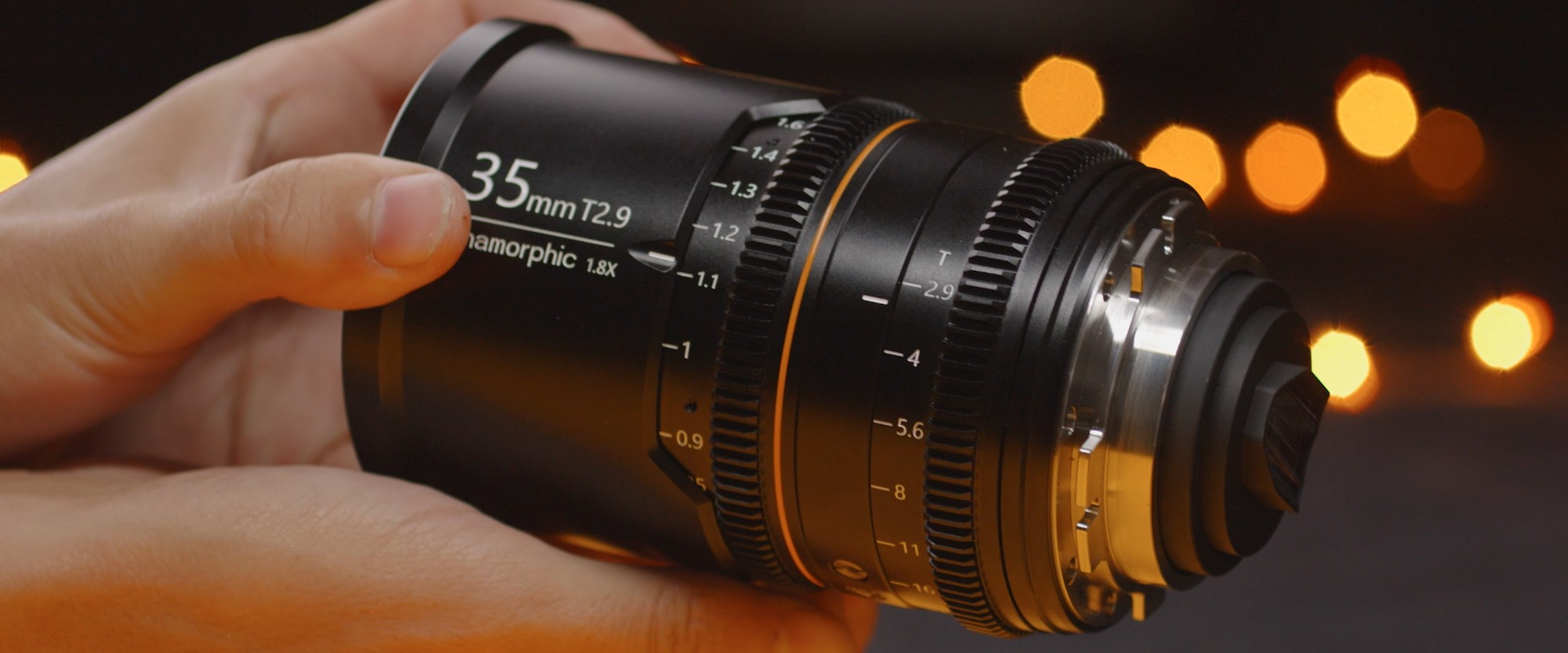
A lot of people love adapters because you can put those onto your own spherical bases, and that’s what Great Joy offered. Their 60mm initial lens is okay at best, but the combo with the adapter gives out really nice images. With Sirui’s move onto full frame, Great Joy pushed to one-up them by delivering a stronger squeeze factor (1.8x versus 1.6x on Sirui), plus the option of PL and EF mounts - which are not as “friendly” as one would expect from a “full frame EF lens” since you can’t put it on a focal reducer, or any camera that has a mirror.

I feel they are the ones catering the most to the indie cinema world, with their choice of PL and EF mounts, as well as an established 1.8x squeeze that is ideal for 4:3 recording and 2.39:1 delivery. The lenses also have all the bells and whistles of cinema lenses, with geared rings and matching mechanics across the set. They’re really well put together and go for a price that aims to hurt Sirui’s hold on the market. I just find them a little too bland so far.

LAOWA NANOMORPHS

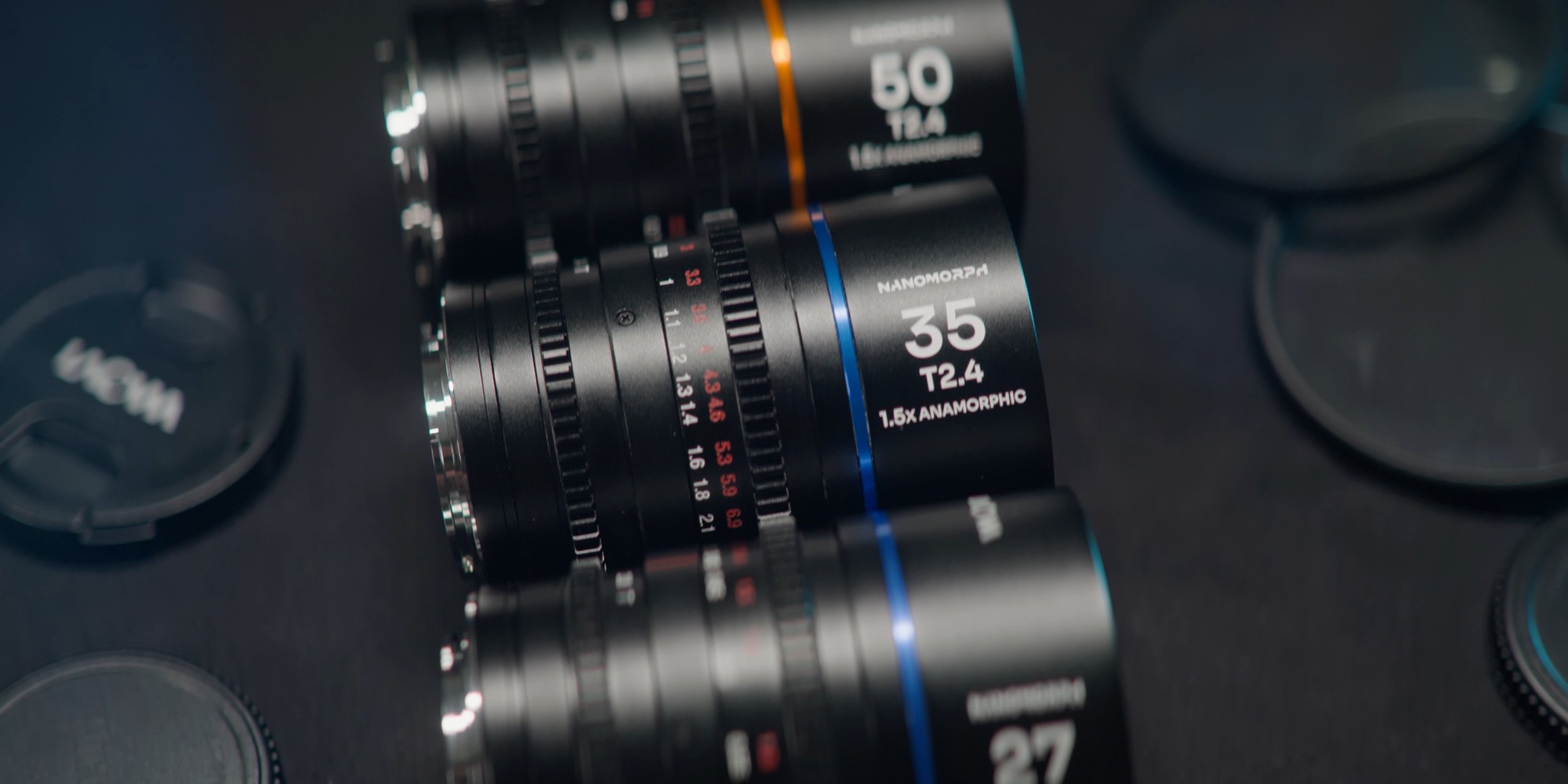
Last we got Laowa, who has an emphasis on small lenses. The Nanomorphs settled for APS-C from the start and came in with a wide variety of mounts. Laowa is more established in the market than both Sirui and Great Joy, and can afford to come up with multiple focal lengths and coatings all at once. I don’t love their flares but the concept of the set is brilliant. 1.5x squeeze in a tiny package is awesome for travel, gimbal, or even FPV. Anyone who wants to go under the radar or be unobtrusive on set is gonna lean towards these. The variety in flare color and mounts is also great, but I feel these are never gonna be as popular as Sirui’s full frame set.

DIFFERENT OTHER OPTIONS

We recently got the announcement of Atlas’ Mercury lenses, which are also designed for full frame sensors but put a lot more expertise into what makes up the “anamorphic look” besides squeeze numbers and bright flares (or lack of flares). One Mercury lens is still pricier than the whole Sirui full frame set, but the images coming from them are the most appealing to me these days - giving the type of look I want to achieve, and was closer to achieving while using adapters.

It has been a very interesting journey to play with adapters for several years, then experiment with a variety of new anamorphic lenses, all with different qualities and prices. At first I just wanted simplicity, as adapters are a pain to handle, but as I test more and more “clean” anamorphic lenses, I’m starting to finally figure out what I want in terms of “the look”, besides the simplicity of lenses versus adapters.

Anamorphic

Why Anamorphics Boost Your Production Value

January 27, 2021

A few months ago, when the initial panic of the pandemic was dissipating and people were starting to meet outside, keeping their distance, I met with a couple friends at a park. We talked about what we had been doing during quarantine and I mentioned the stuff I was working on for the channel and all the connections I was making.

Both of these friends work in post-production, one has a solid knowledge of cameras and tech, the other one understands composition and framing, but not so much of camera specs. I've known these guys since before I started the channel and they both showed up in videos before. I'm talking about some groundbreaking piece of gear when one my friends asks what's the big deal with anamorphics. Why do people go crazy about them, and why do I have a whole channel about it?

That lead to me explaining how anamorphics saved Hollywood, a bunch of history and subconscious effects that anamorphic lenses create on audiences, even when they're not aware of what anamorphic is. "Oh, this has such a cinematic vibe to it". You've heard or said it before, I'm sure.

After my spontaneous presentation he asked me why I didn't make videos for a broader audience. Not switching the subject, still talking about anamorphic, but not so narrow as to talk about a single piece of gear. What I had just explained at the park was much more interesting and enriching than a lens review.

Later that day I started drafting this first Module for the Cookbook, before I even knew it was gonna be a course. I realized a lot of time I jump to the conclusion that everyone knows what anamorphics mean and what they do for your images. That's a mistake I'm aiming to correct with this video, the first actual class in the Cookbook!

Anamorphic

Welcome to the Anamorphic Cookbook

January 27, 2021

It begins! A new stage in the channel, a new project and a lot higher production value! The Cookbook is a year-long project of content covering pretty much everything that is connected to anamorphic shooting. It takes you from the history of these amazing lenses, to how they work, what you need to build your own setup and we wrap at editing your CinemaScope footage.

Members of the channel get early access to the videos besides better support and more special perks! Consider joining here, for $3/month!

Anamorphic

That "Influencer" Lifestyle.

December 10, 2020

It feels weird to wake up, make breakfast, wish Ari a good day at work and then sit down to create YouTube content, plan videos and open emails from lens makers. My brain refuses to accept it as "work", although it checks all the boxes (it's endless, stressful, and generates income). I tend to laugh when someone calls me an "influencer". I only jokingly refer to myself as an influencer, although I guess I am one.

When I started my channel, I didn't want it to be my main source of income. I started because I needed to share information on anamorphic lenses. It was definitely a hobby. It consumed my time and money, but I enjoyed working on it. After a couple years I started to feel entitled to some compensation. I'd resent my audience for they'd pour money on lenses but give me nothing in exchange for all the information I provided. I thought "if I do this well enough, someone will come by and pay me for it". The whole "American Dream" thing, free market and all. Spoiler alert: It doesn't work that way.

For several years I felt important, but not relevant. I felt I was popular among the folks without resources, but that people in the actual film industry, lens makers, and all sorts of technicians would laugh at how the videos looked and the information contained in them. I felt I was fighting the system. "Use a $300 lens instead of a $30k! You've been deceived!". Very radical, or so I felt. But being popular with the people without money also means that no one is willing to pay.

Twice I burned out and almost quit. The second of those times I really thought I was done. On my "farewell party", I ran into some people I thought were much cooler and relevant than I was (Corridor Digital), yet they recognized me in a crowd and had lots of praise for the content in my channel. That shuffled the idea I had about my audience and reach of the content. If these guys were watching enough to recognize me, who else was out there?

I got a little bolder (at least in my own standards). I hired an editor so I wouldn't be constantly swamped, I still had lots of other work (YouTube was far from a good source of income), and I started to reach out to smaller brands for collaboration. Everything went pretty well, although I always had the feeling they were helping me out, and not the other way around. I still felt irrelevant in the grand scheme of things.

Then 2020 came around and everything was incredibly chaotic. I had lots of time, absolutely no outside work, and running very close to burnout again. I wanted all my content to be *perfect*. Full control, best performance, excellent visuals, unquestionable logic. I was failing, and this is where Blake comes in. I invited him to help me figure out livestreaming and from there we started creating more and more ideas together. Blake has a very different perspective on things being *perfect*. Perfection is to accept the flaws - or at least some of them - and doing so makes the videos better.

That was a trip. Accepting imperfection made the videos better. A lot better, actually. So I started accepting imperfections in my communications and reached out to people I considered HUGE and was blown away when they replied. This happened so many times I realized I was holding myself back on taking this step forward. I was stuck on the loop of "I'm better than this, yet no one wants to help me". One of the toughest lessons was to accept I can be paid to do something I believe in. When I say it like this, it's pretty obvious, but not six months ago, I'd feel I was compromising my ethics if I accepted money for something I was willing to do for free.

All of this has reached a point where I'm turning down outside work and taking the days at my own pace. I tackle lots of emails, edit some videos, do a little animation here and there, read a lot, research, pet my cat and play videogames. And I'm finding time to be there when people close to me need support. That never happened before. To help with all these changes, I've had weekly therapy sessions since 2015 and I'm taking anti-depressants for a month and a half now.

It's okay to slow down, it's okay to ask for help and it's okay to accept help. Hopefully this can influence someone to avoid burnout and find a healthier way to pursue their dreams.

Anamorphic

Living the dream takes nightmares too.

September 3, 2020

This post was inspired by something João Gabriel Rodrigues wrote a couple weeks back. Jota said he's competitive to the point that he can't have fun. If he's set to do something, that something has to be the absolute best, otherwise, what's the point? As I read his post I realized I have a lot of that too. And some more.

If you ask me what I've been up to, the answer is gonna be quite different than if you ask me how I'm doing.

Here's what I've been up to: I turned 30 last year. I got somewhat of a steady job for the first time ever and switched from working on set to working in post. I thought I was done talking about anamorphics and it turned out I wasn't. Last fall I taught a class for an entire semester in the college I graduated from.

I traveled through Europe and met a bunch of people I only knew from the internet. I (self) published two e-books after two years of drafts. I've been involved in all sorts of projects I never expected. Yesterday I wrapped shooting my first feature film as director of photography and next week I start teaching classes at Langara college. Today I'm posting a video and livestreaming about a camera I had before it was announced. The first big payoff of five years working on the YouTube channel.

If that's all you know from me - because it's the information I volunteer -, then it really sounds like I'm living the dream.

Here's how I'm doing: since I rushed back from Brazil to Vancouver before the border closures in March, I've been afraid. I've been feeling weak, scared, and insecure. I've been sleeping four to five hours a night, and I hardly feel hungry. I'm also randomly sad and there are days I hate feeling like this.

I'm used to dealing with impostor syndrome for a single aspect of life at a time. Dealing with it on multiple fronts all at once was a new experience. The latest rush of accomplishments - feature film, secret new camera, teaching -, plus not faltering with the channel and pushing for some more still-secret projects got me reeling.

Right now I feel like playing video games for a week straight and not stepping out of the house. As much as I want it, I know that's not what I'll do. There are classes to be taught and videos to be made.

Feeling weaker now was different from previous times. On the feature I had a team I could be honest with and say "today I'm feeling like garbage and I need some extra help", so they stepped up giving me time to recover. On the channel I'm not on my own anymore, Blake and Lila help me on different fronts and they help a lot. For teaching, Sara has always been an inspiration and endless source of support. Last, for absolutely everything I do, I got Ari. Ariana is a major source of inspiration and motivation. She pushes me forward and always helps me when things get out of hand. I'm super grateful for having these people around me.

I guess the idea is there's always some sort of balance. While things are great, others are not so good. I take them as I go and I'm still learning to take breaks.