There are lots of misconceptions about sensor size and anamorphic shooting. I believe this started with the Panasonic GH4, but let me first explain the issue. Every other day I get messages from people “informing” me they can’t use 2x lenses because their camera does not have an anamorphic mode.
They say they’re limited to 1.33x or 1.5x lenses and they don’t know what to choose. Some are even more hardcore and ask for camera recommendations. You guys need to calm down. I’ve been shooting anamorphic on my Sony A7s2 for three years now and it never gave me trouble. The A7s2 does not have an anamorphic mode. I recently got a Panasonic GH5 which features an anamorphic mode.
The BMPCC 6K pushed anamorphic modes into Blackmagic’s cheaper models - such modes were previously reserved for the URSA lineup. Anticipating an increase in questions on this subject, I wrote this post!
What is anamorphic mode, and why is it good to have it?
Anamorphic lenses squeeze more field of view onto the sensor. There’s a lot more to them, but this is the aspect we’re dealing with now. Let’s say the ideal anamorphic lens has a 2x squeeze, which means that you have to double the width of your footage in post production for your shot to look correct.
Simple math time: shooting 16:9 and then doubling the width of the frame yields a bit of an extreme aspect ratio: 3.56:1, so far reserved for lens tests and Taylor Swift music videos.

Cameras with anamorphic modes allow you to record different areas of the sensor, not necessarily 16:9. The GH4 allows 4:3 aspect ratio, the BMPCC 6K offers 6:5. Using a 2x scope, 4:3 becomes 2.66:1 and 6:5 becomes 2.4:1, classic CinemaScope. These modes are not using the full width of the sensor though. Basically, the camera is cropping out the sides of the footage for you. Is that what anamorphic mode represents?

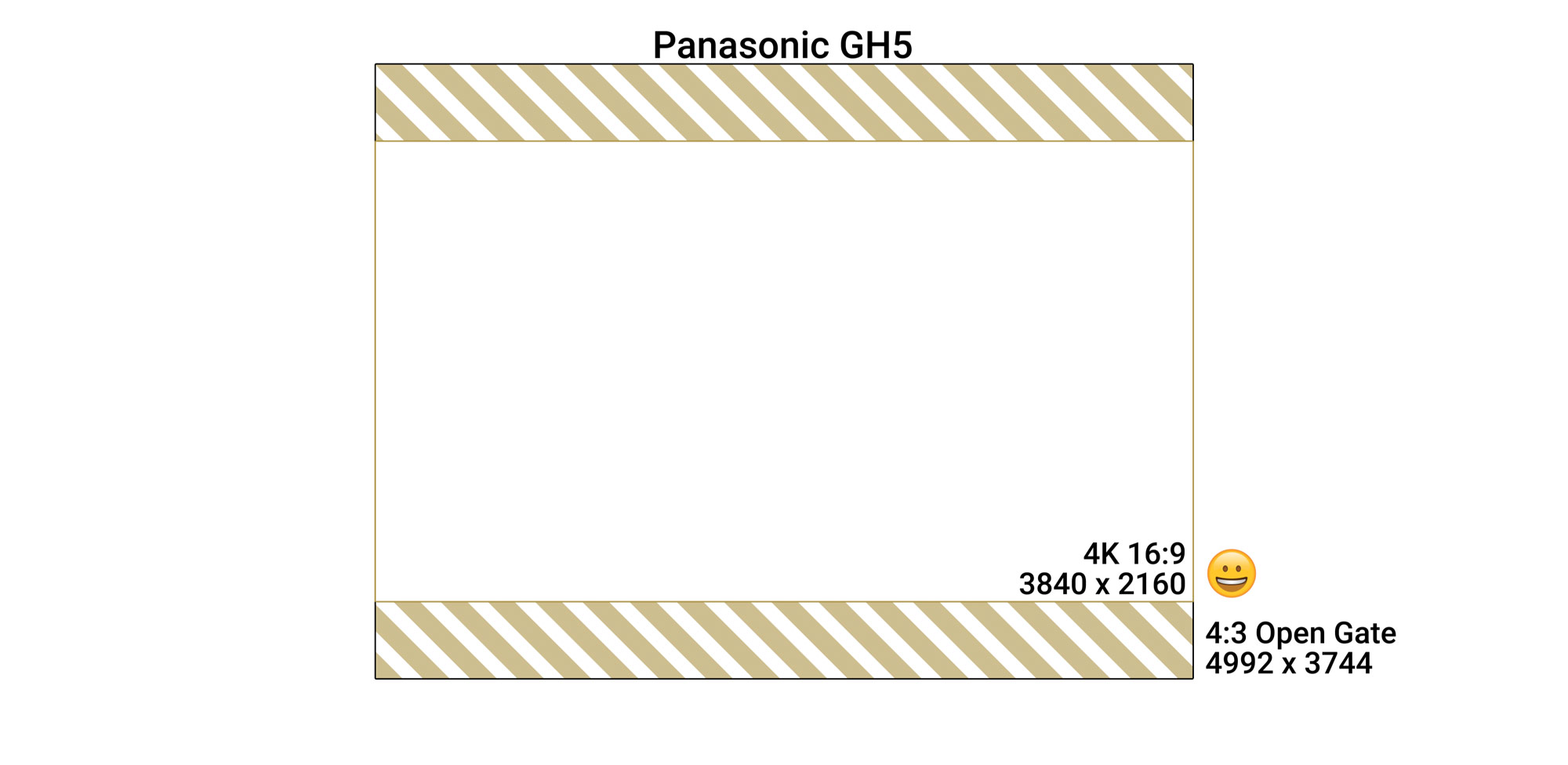
The exception here is the GH5 and its Open Gate mode. Since Panasonic’s GH series has a 4:3 sensor, their techs figured “why not let people record the entire sensor area?”. This leads us to the actual advantages of anamorphic modes.
What are the advantages of anamorphic mode?
The minor advantages of anamorphic mode are that it makes more efficient use of sensor area and requires substantially less or no crop in post-production. It also allows for better use of the camera’s bitrate over the final image area.
The biggest advantage of proper anamorphic mode though is that it uses a larger sensor height compared to 16:9 video. If you look at the numbers and schematics below, the difference is easy to see on the GH5 and other cameras that record Open Gate (thanks Arri). This gives you a frame that is not only wider after stretching, but also taller!
But if you look at the BMPCC 6K, URSA Mini 4.6K and others, things are a little different…
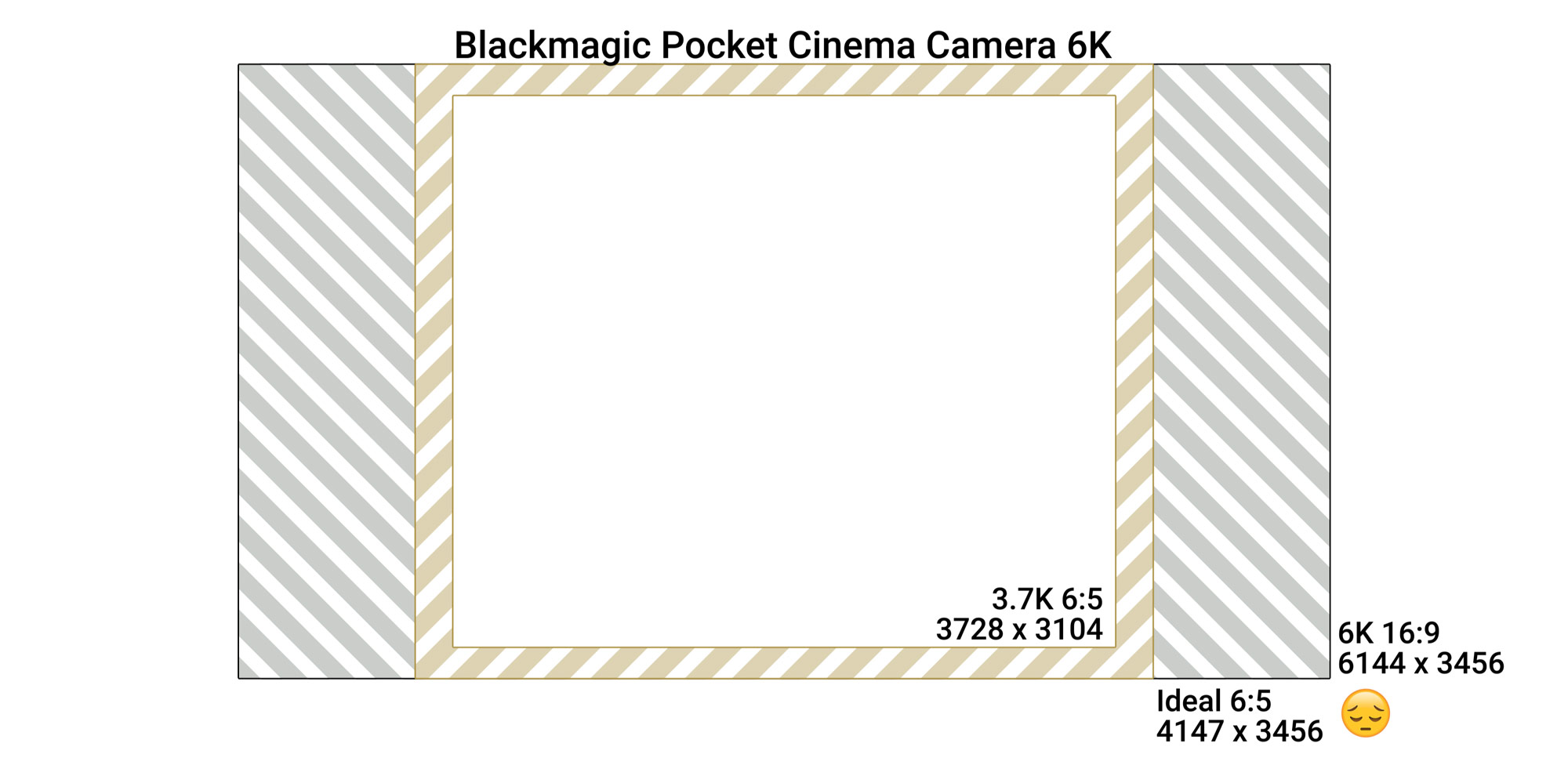
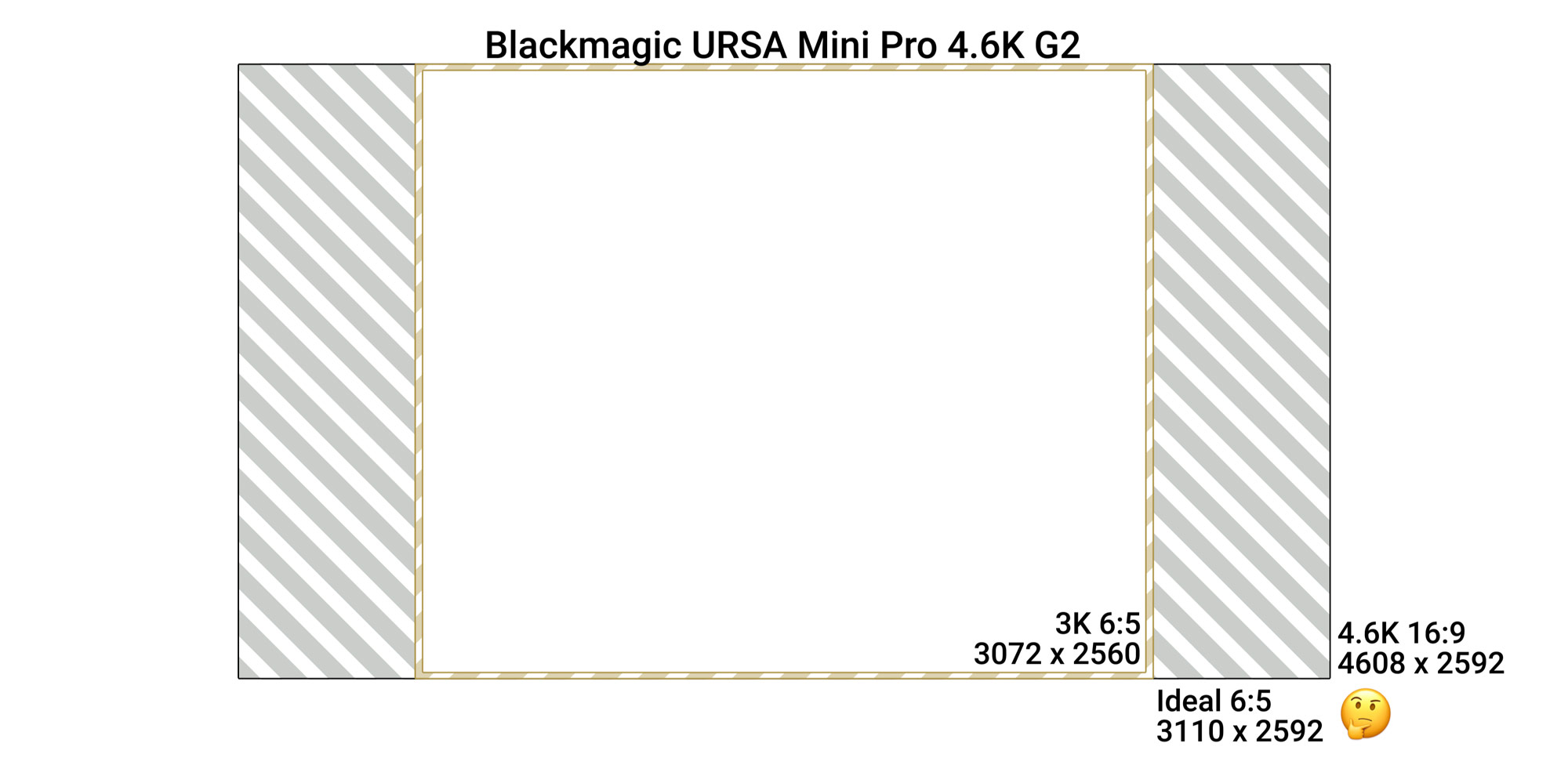
Not only are you missing additional height offered in 16:9 modes, you are also locking yourself out of the valuable possibility of reframing in post-production.
So what are the advantages of not having/using it?
If your camera has an anamorphic mode but it doesn’t add any height to the output compared to your other recording modes you are basically discarding information that could be useful later.
That is why I never complained of shooting 2x anamorphic with the Sony A7s2. I set it up with 4:3 cropmarks and record 16:9 all the way. The only thing that really matters is that I get clean footage in the marked 4:3 area. Anything usable beyond those marks is a bonus and it allows me to reframe in the editing process to balance out compositions or even create camera moves that didn’t exist before.
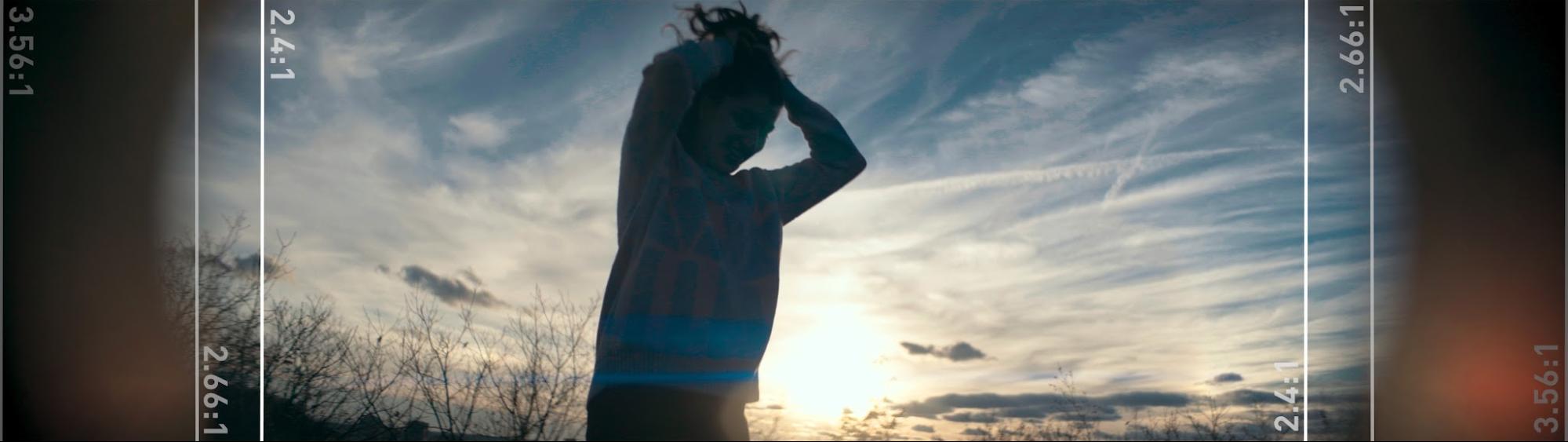
Bottom line: Always aim for the mode that gives you the most vertical resolution and better use of the sensor, even if you have to crop some of the frame later. You’ll have more data, more sensor area and more image to work with. If you’re on a tight deadline, sure, skip the crop and do it all in camera.
Regardless, if you are lost or new to how to deal with those post-production aspects, I have videos up on how to set proper aspect ratios in all major editing software and how to crop footage easily too!
Now go get a GH5 and maximize your scope’s capabilities!
An afterthought in anamorfaking
If you don’t have anamorphic lenses and you still want to craft the anamorphic look, the BMPCC 6K also offers a 2.40:1 recording mode that will give you a frame that is perfect CinemaScope although shot with spherical lenses. No need to hassle with cropping later. You can combine this aspect ratio with modified lenses and filters to create a look that would otherwise cost a fortune! More on anamorfaking soon!
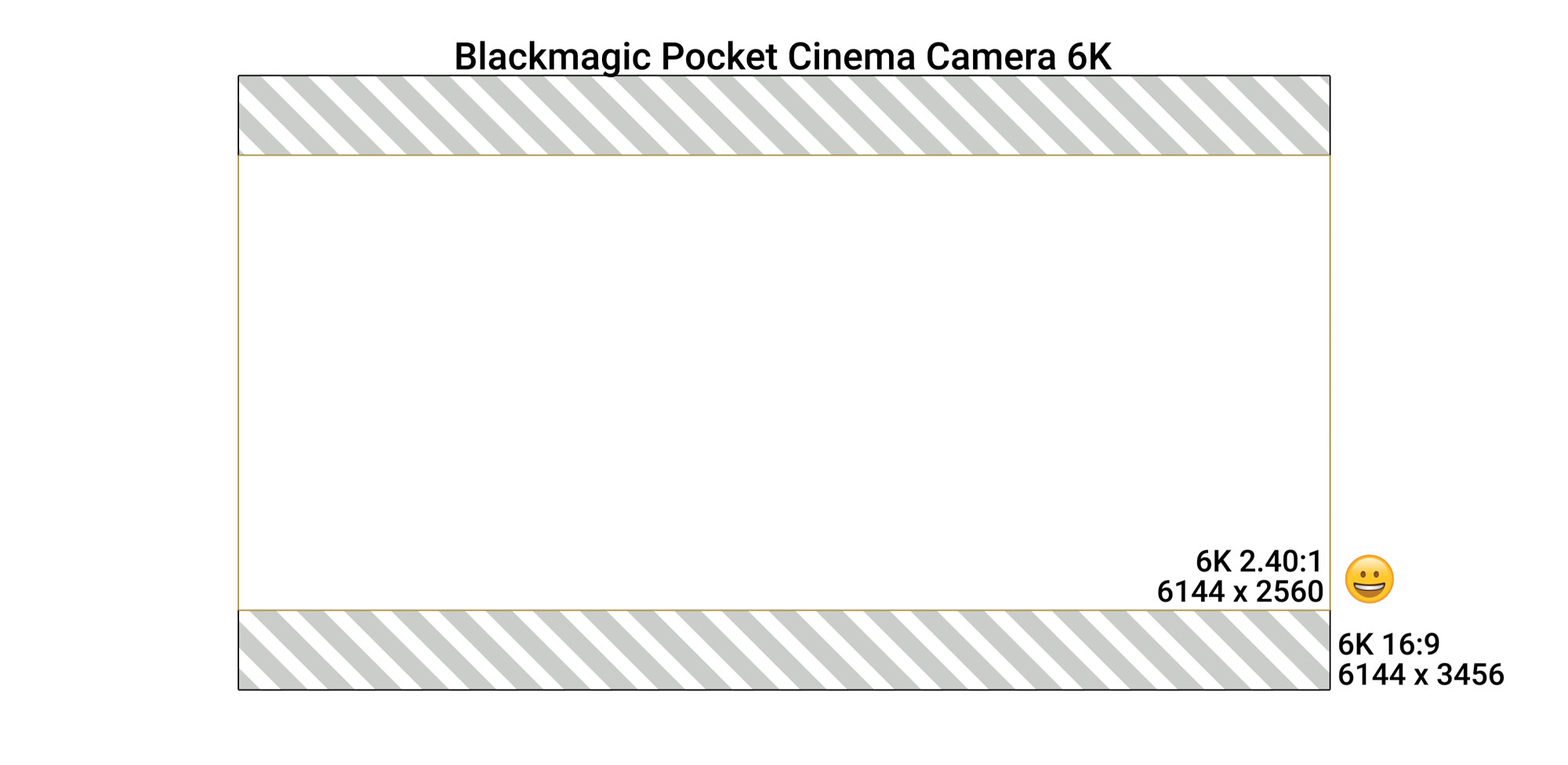
If you don’t have a brand new BMPCC 6K, most other cameras offer some type of cropmarks or overlays that allow you to frame for 2.40:1 or 2.35:1 while still shooting 16:9. Framing with cropmarks will give you an accurate idea of your final framing and save you from unexpected cropping issues such as too much headroom or chopped heads!